
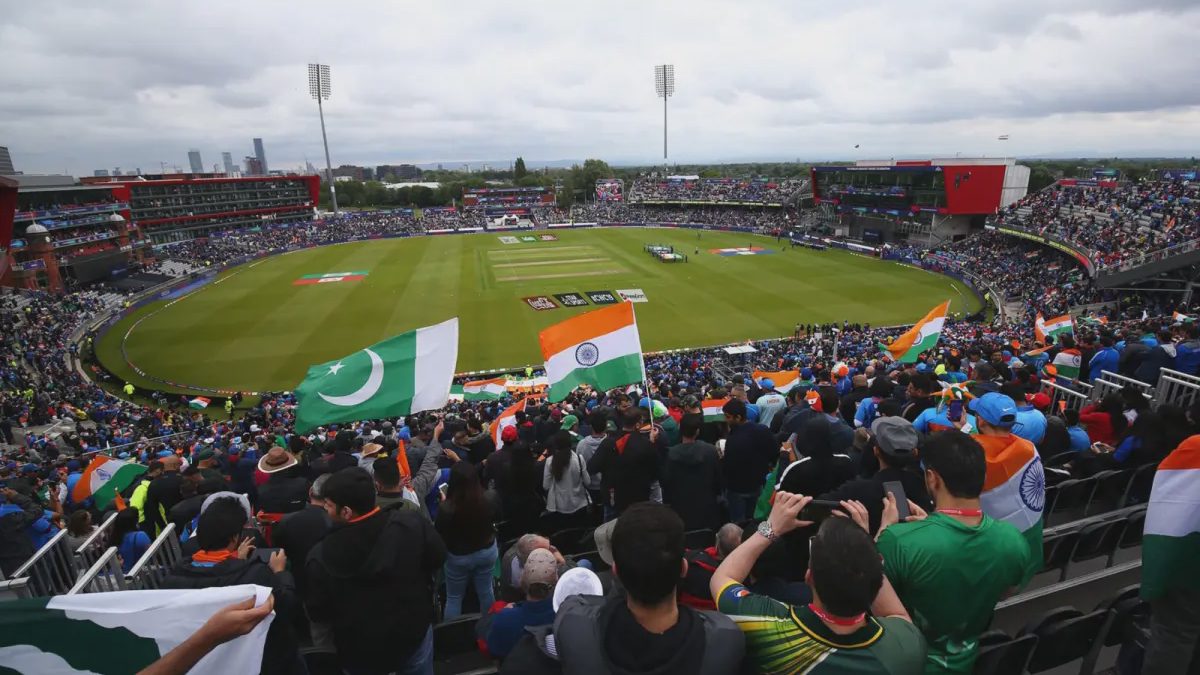
Fourteen matches in as many months. That is the tally of India-Pakistan encounters across senior and age-group cricket since the men’s Asia Cup in September 2025.
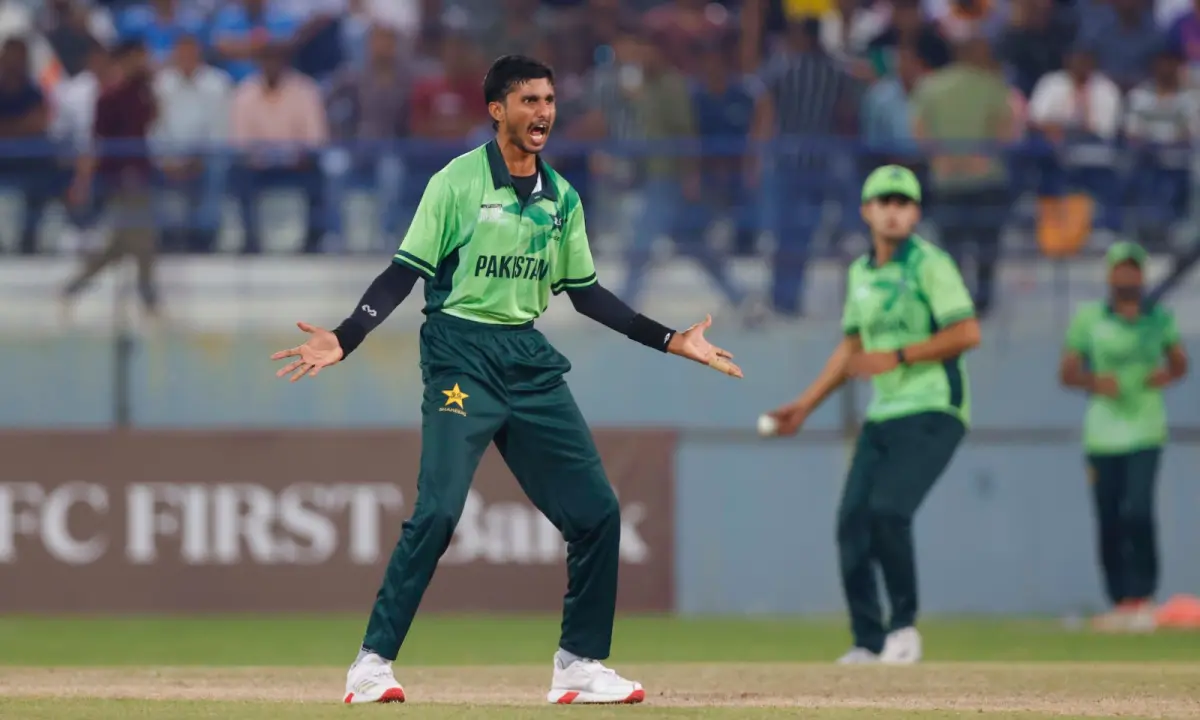
The latest came on Sunday in Doha, where Pakistan Shaheens beat India A by 48 runs in the Asia Cup Rising Stars. It was the second meeting between the sides in eight days, after India’s one-wicket win over Pakistan in the Under-19 Asia Cup final in Oman earlier this month.
These are no longer isolated coincidences. Bilateral cricket between the two countries has been suspended since Pakistan’s limited-overs tour of India in 2012-13, and the last Test series was played in 2007.
Indian government policy continues to rule out bilateral sporting ties while permitting participation in multilateral events. The International Cricket Council (ICC) and the Asian Cricket Council (ACC) have built that distinction into their calendars: India-Pakistan matches are now a fixture of ICC group stages and appear across ACC senior, emerging and age-group competitions.
The mood around these games has worsened since the brief military confrontation between the two countries in May 2025. The players don’t shake hands anymore, an official Indian initiative.
Indian teams have refused to accept trophies from ACC president Mohsin Naqvi, who also heads the Pakistan Cricket Board (PCB) and is Pakistan’s interior minister, a row that began after the 2025 Asia Cup.
The hostility has reached the youth level too: after India’s last-ball win in the Under-19 final, footage showed Indian players making aggressive gestures at their Pakistani counterparts before support staff stepped in.
Yet the fixtures keep coming, and the clearest explanation is money.
What a single match is worth
Industry estimates put the commercial value of one India-Pakistan match at an ICC event at roughly $200 million to $250 million, counting broadcasting, advertising, sponsorship and ticketing. Some analysts go further, to around $500 million, but that figure also includes wider spending such as travel and hospitality in host cities.
Advertising is the largest visible piece. Before the February 2026 T20 World Cup game in Colombo, 10-second television slots for the match were reported at INR 25-40 lakh, rising to as much as INR 70 lakh by the eve of play.
Estimates of the match’s advertising take vary widely: one count of slot sales put it at more than INR 210 crore, while pre-match projections for the broadcaster were around INR 300 crore.
Former ICC chief financial officer Faisal Hasnain has said a single India-Pakistan match can generate around $60 million in TV advertising alone. For scale, JioStar’s advertising target for the entire tournament was about INR 2,000 crore, and this one match was expected to supply a little over a tenth of it.
At the Asia Cup, where Sony Pictures Networks India holds the rights, industry estimates put advertising on an India-Pakistan match at INR 150-200 crore, with rates said to run 25 to 50 per cent above other India games and three to four times those for matches without India.
Sony reportedly paid $170 million for ACC media rights from 2024 to 2031, a figure reported by Indian media, which said only that the deal was a 70 per cent rise on the previous cycle. The package covers every ACC tournament, but India-Pakistan meetings are widely seen as its commercial backbone.
Behind it all is the Indian market, which accounts for an estimated 70 to nearly 90 per cent of global cricket media-rights value in recent ICC cycles.
Built into the draw
The ICC has never hidden how much the fixture matters. In 2016, then chief executive Dave Richardson said the ICC wanted to put India and Pakistan in the same group because the match was “hugely important” and gave tournaments “a massive kick”. The ICC later said the pairing was a coincidence, the product of ranking-based group formation.
Whatever the mechanism, the result is consistent. India and Pakistan have met in the group stage of every ICC men’s event since 2013. The 2027 ODI World Cup goes further: its new format, with two groups of six feeding a Super 7 stage, is designed so the teams meet at least twice, and possibly a third time in the semi-finals. Their group game is already scheduled for 10 October 2027 in Johannesburg.
The February 2026 game showed how much was riding on it. When Pakistan’s government announced a boycott of the Colombo match, broadcasters and sponsors faced heavy losses. After the boycott was withdrawn, The Indian Express, citing sources, reported that the ICC had avoided an estimated $174 million in lost revenue.
Who benefits
Broadcasters bid for rights on the expectation of India-Pakistan games, and sponsors pay a premium for the same reason. Member boards, including the PCB, share in the revenue distributions that follow, and the ACC’s ability to fund smaller Asian boards leans heavily on the same fixture.
Neither side’s political constraints on bilateral cricket have prevented either board from taking part in, and benefiting from, a multilateral programme that produces these matches with considerable regularity.
The boards and the councils maintain that multilateral commitments are separate from bilateral ties and that sport can stay insulated from politics.
The fixture list suggests the separation is convenient rather than complete. India and Pakistan are meeting more often, not because relations have improved or the two boards have restored normal sporting contact, but because the returns from these matches are too large to give up. The tension on the field, in refused handshakes and trophy disputes, has become part of what is sold.
Bilateral cricket remains frozen while the rivalry is packaged and marketed at every level of the game. How long that arrangement holds, and what it costs the players, especially the young ones now drawn into it, is a question the administrators have yet to answer.
Figures are industry estimates and media reports, not audited revenue.
Header image: Fans attend the Cricket World Cup match between India and Pakistan at Old Trafford in Manchester, England, Sunday, June 16, 2019. (AP Photo/Dave Thompson)